2025 Impact Report
How adaptability and diversity drive lasting impact from soil to society

Resilience Grows from the Ground Up with TREES
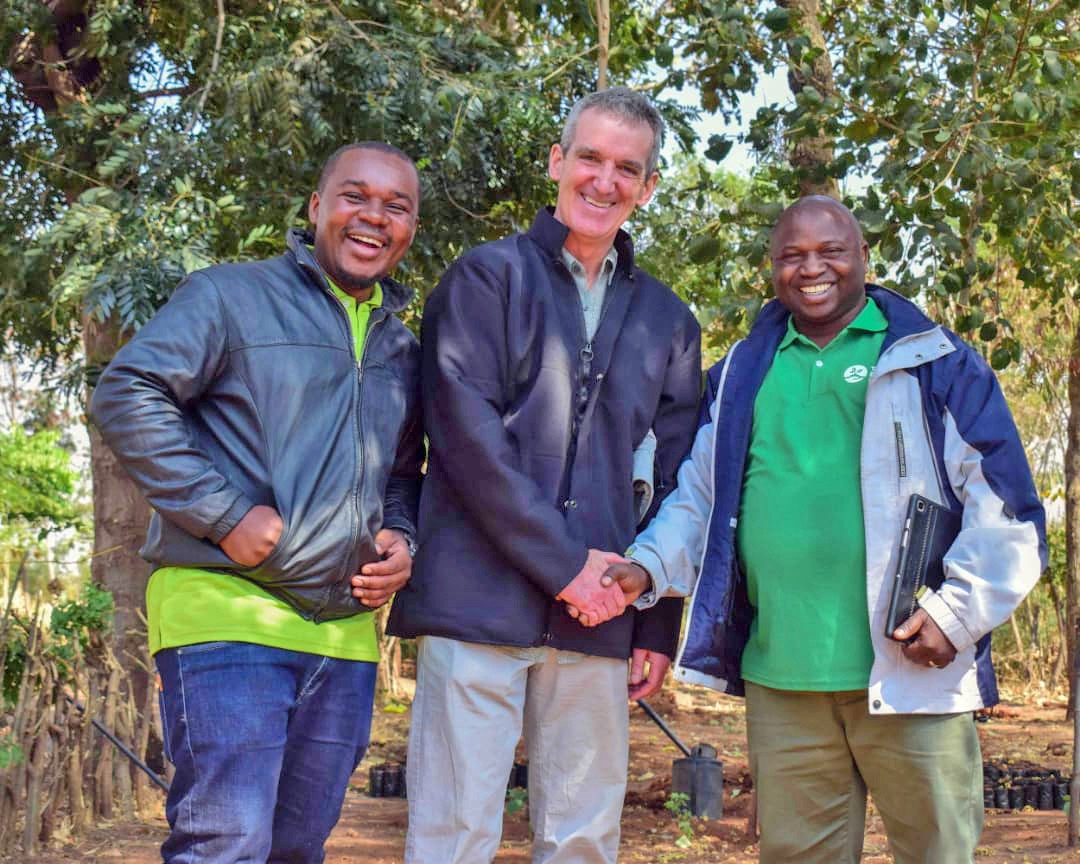
Founder & CEO

Dear Friends,
As we reflect on 2025, I want to begin with a message of gratitude. This year has been full of both challenges and triumphs, and through it all, our community of farmers, partners, staff, and supporters has remained steadfast. Together, we’ve continued to build on more than three decades of impact, strengthening not only the landscapes we restore but also the people and communities who bring them to life. [Insert a specific note of thanks or highlight here.]
2025 has been a year of adapting. We have worked with determination to align our work with the evolving realities of our world while preparing for our 2026 Strategic Plan. This has meant pausing to reflect, pivoting when necessary, and doubling down where progress is strong. [Insert a brief example of an organizational pivot or milestone.] …
With gratitude,
Tim
McLellan
The Root of It
Rooted in Diversity
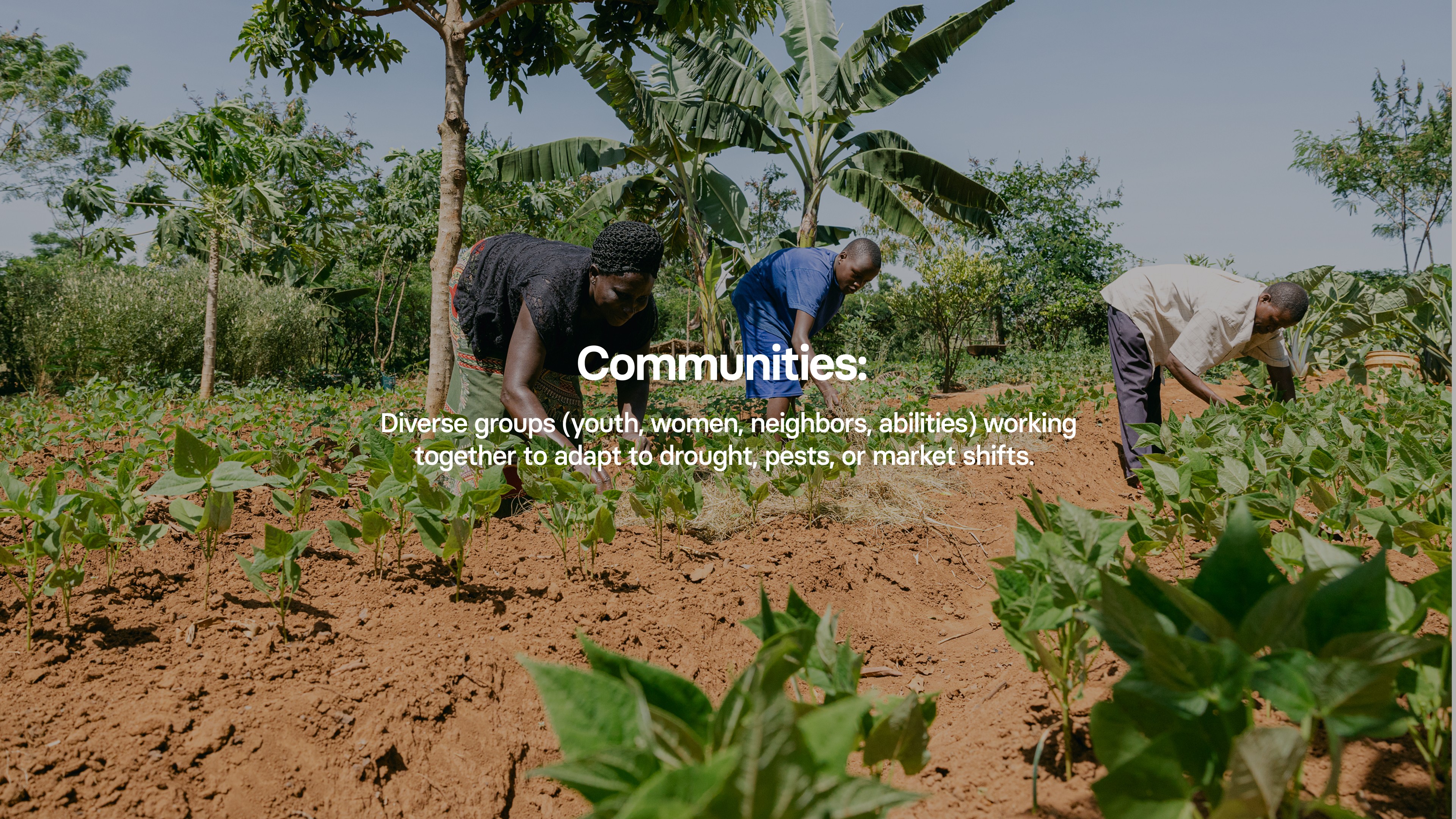
Trees for the Future (TREES) is an international nonprofit and a UN Decade on Ecosystem Restoration Flagship Initiative. At our core is the knowledge that diversity - of crops, solutions and people - is essential for resilience and survival. Adapting to their changing climate and context allows farmers and their communities to thrive.
The Root of It
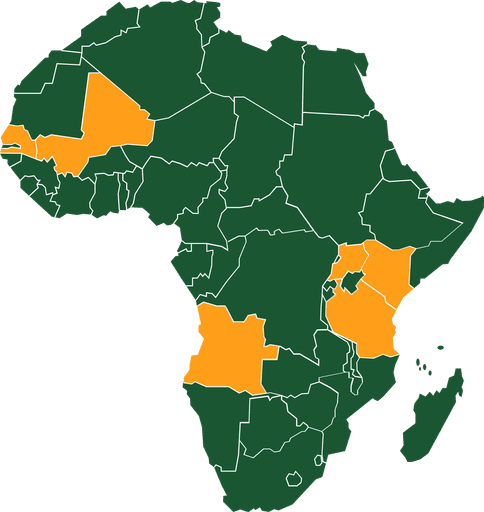
26 Different Agroecological Zones
Senegal
Mali
Kenya
Uganda
Tanzania

The Root of It
The Forest Garden Approach (FGA)
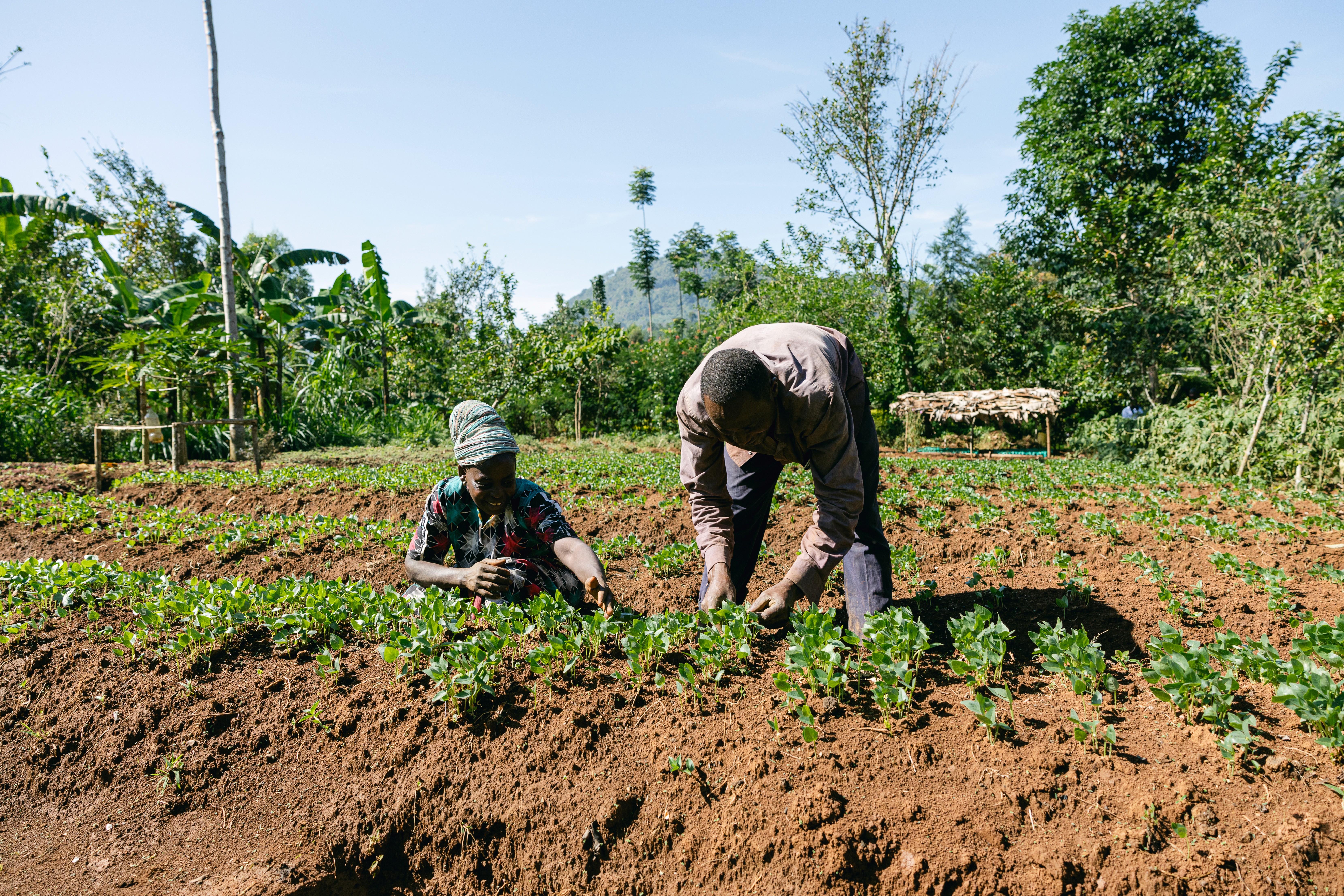
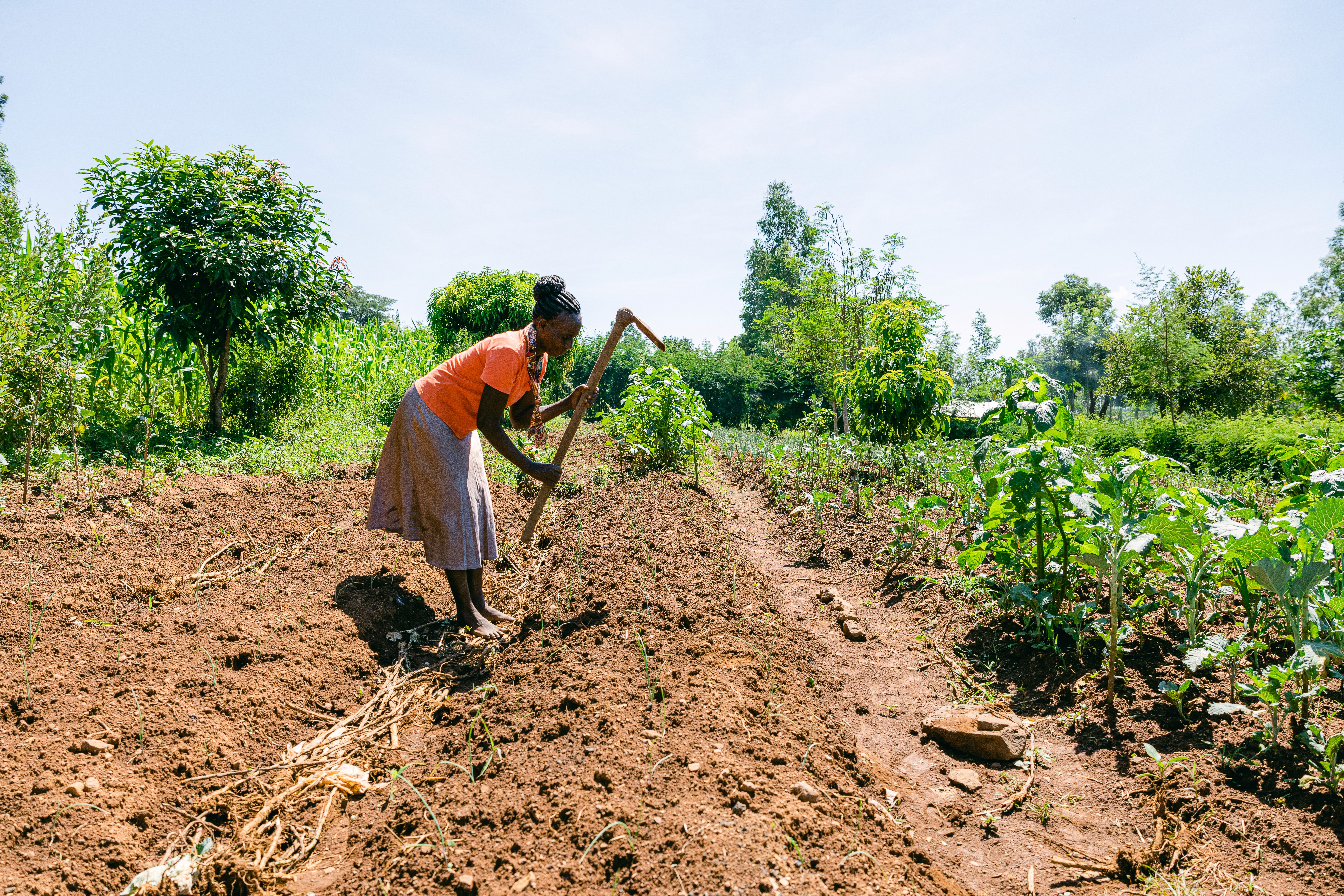
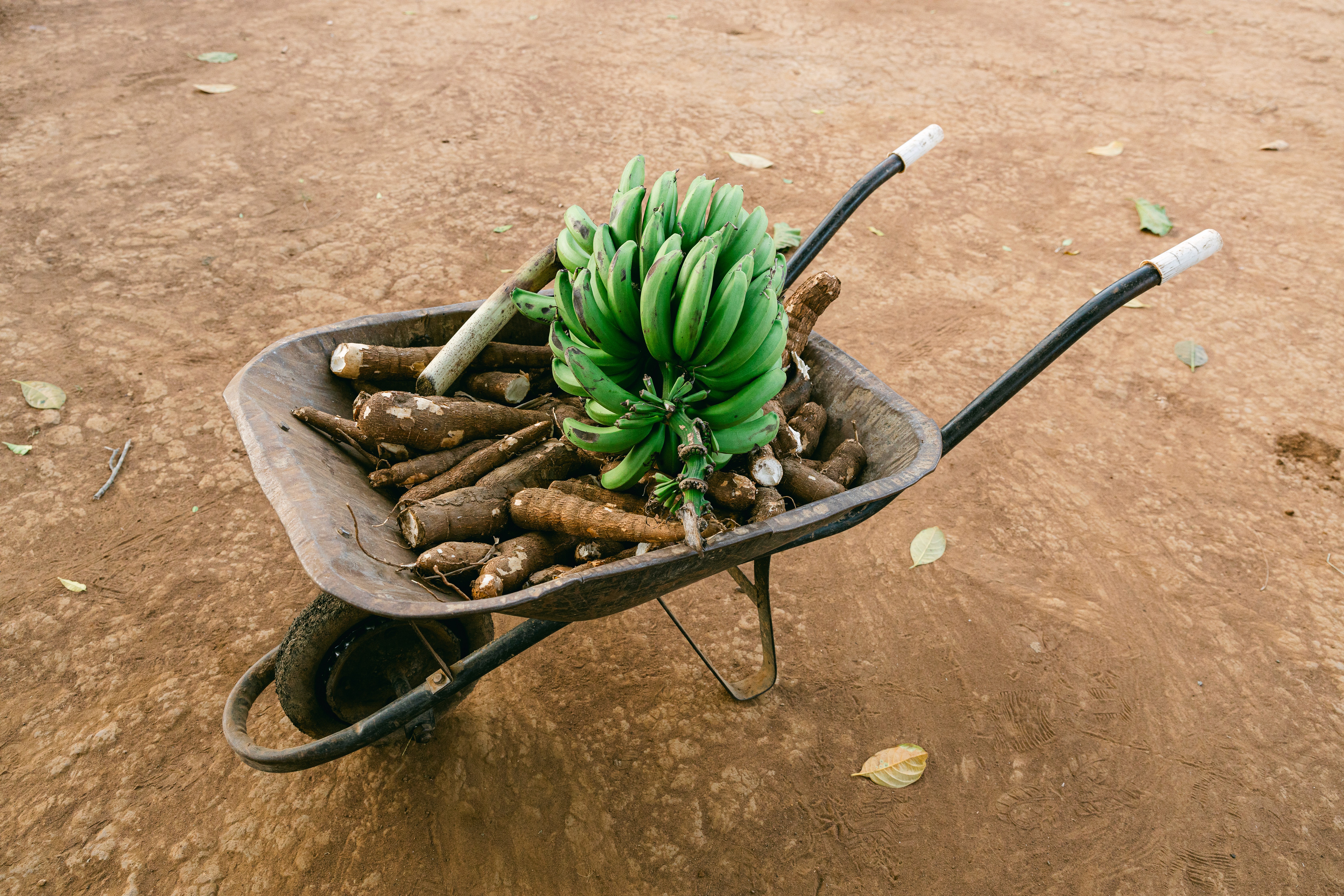
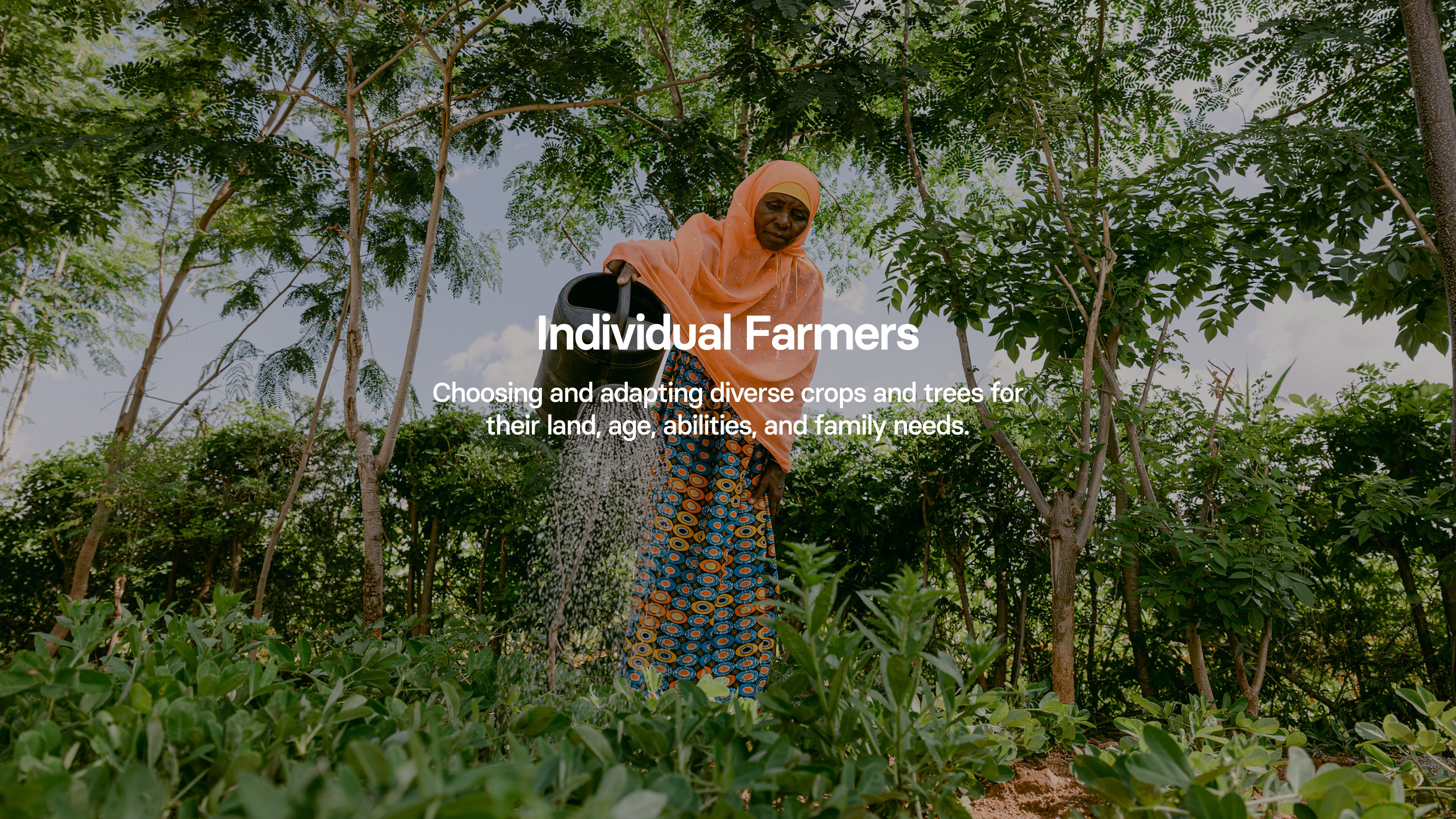
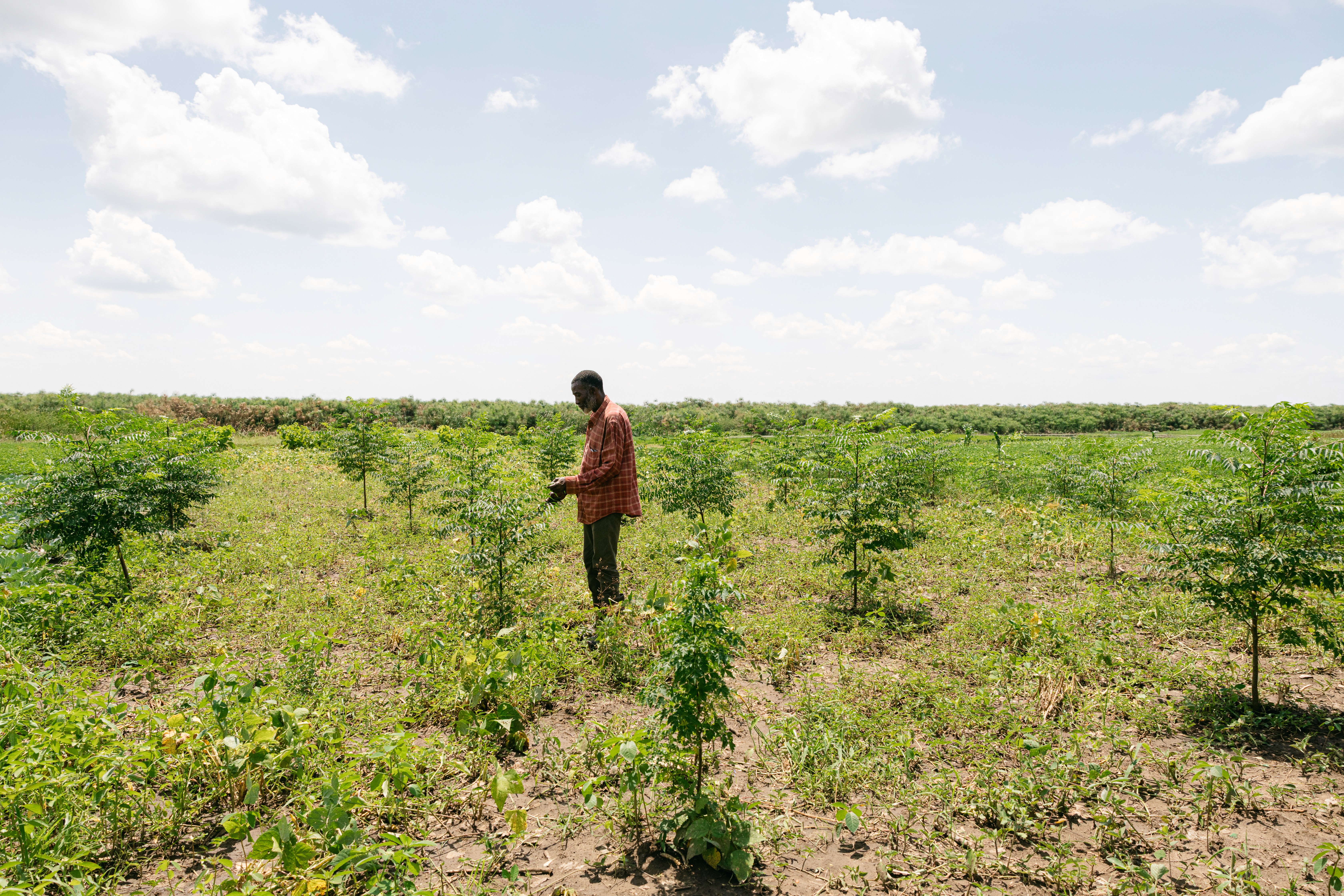
FGA is a farmer-led model. By planting a diverse mix of trees, and crops, farmers restore soil health, ensure year-round food and income, and are adapting to their changing environment and ecosystem.
Our People


320+
320
Team Staff
15
Universities
15
Languages
50%
Female
26
Ethnic Groups
50%
Male
50%
Male
The Farmers
49,000
49,000
Farmers and their families
30
30
Languages
30%
30%
Male
50%
50%
Female
The Root of It
Africa’s Smallholder Farmers: The Missing Link in Global Climate Solutions
A Land Under Strain
Much of this farmland is degraded, threatening yields, livelihoods, and food security as climate shocks intensify.
The Power to Restore
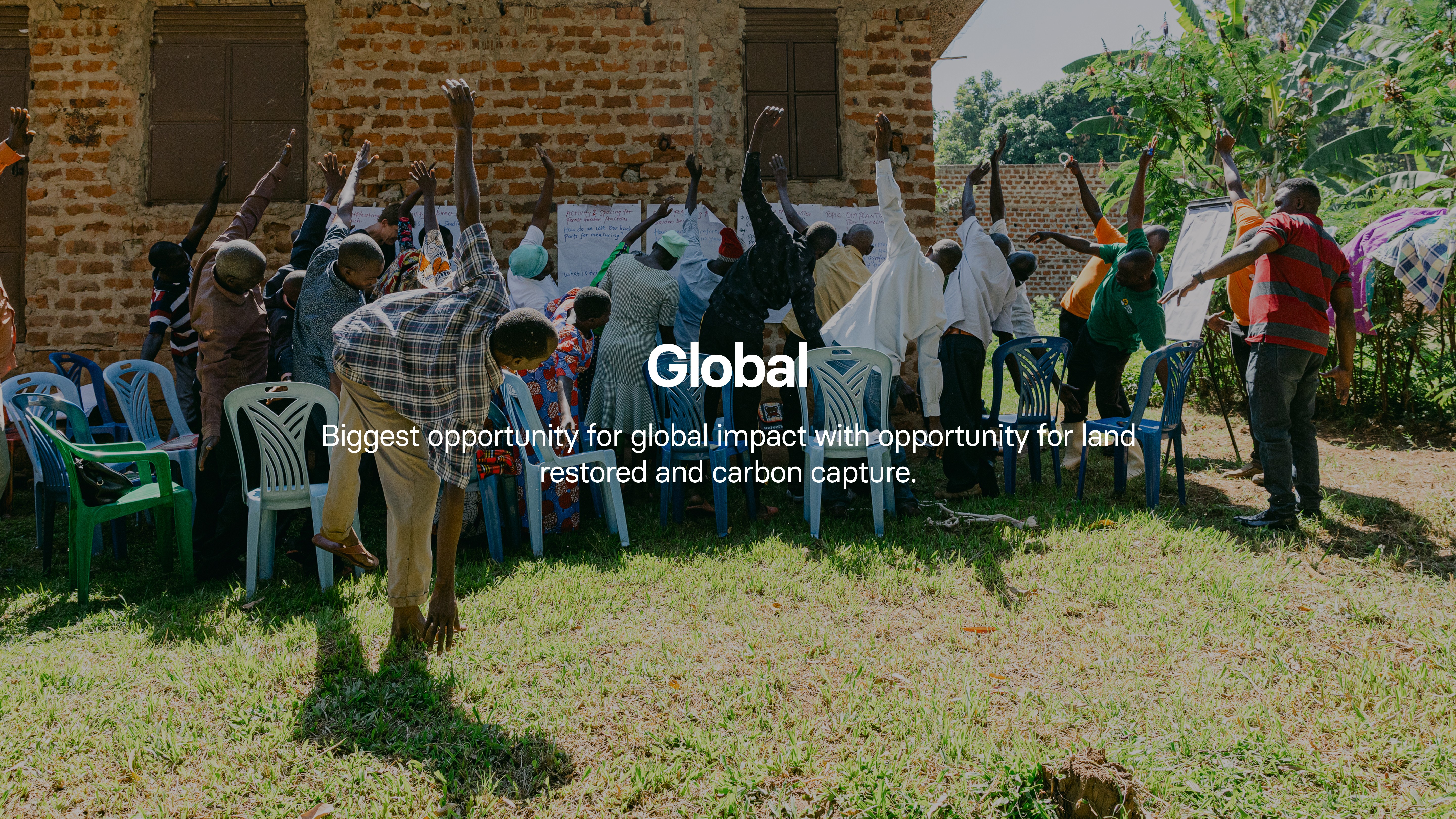
Restoring degraded land with Forest Gardens can revitalize millions of acres, strengthen communities, and help Africa lead on global climate and Sustainable Development Goals.
A Continent of Farmers
Africa is home to 33 million smallholder farming families on over 600 million acres of degraded land - producing most of the continent’s food.
Strength in Diversity
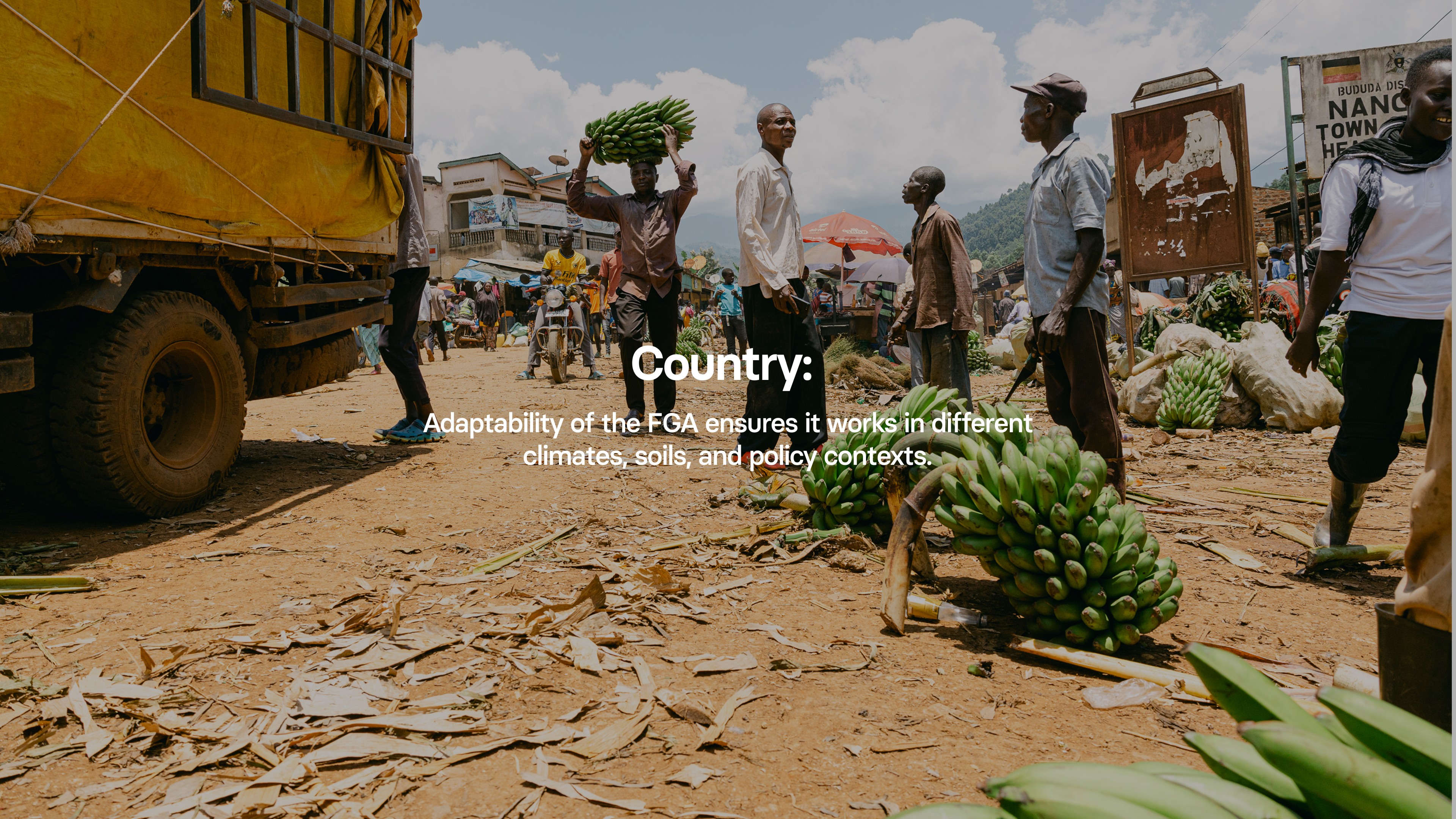
Diversity of landscapes and cultures means the FGA is uniquely positioned to adapt across borders.
From Degradation to Regeneration
See a before and after of our project in [enter specific location].
The Root of It
2025 Impact: Diversity and Adaptability in Action
Enter strong summary points here
Effective Innovation
(2024-2025)
4,056
Sustainable Practices
(2024-2025)
4,056
Trusted by Thousands
(2024-2025)
4,056
Growing Expertise
(2024-2025)
4,056

Statistic here
Enter subheader to further explain that amazing statistic
More stats
Enter subheader to further explain that amazing statistic
Acres cultivated sustainably
Enter subheader to further explain that amazing statistic
2025 Techniques Implemented Across All Countries
New Technical Manual
A science-backed, farmer-driven training guide
Central Fruit Tree Nurseries
Producing quality grafted fruit trees at scale
Geospatial Information Tools
Applying mapping and data to guide decisions
Year Zero Approach
New research deepening understanding of farmer livelihoods
Income Studies
New research deepening understanding of farmer livelihoods
Seedbanks
Expanding access to diverse, locally adapted seeds
Carbon Measurements
Advancing protocols to validate restoration impact
Biodiversity Monitoring
Tracking ecological gains across Forest Gardens
Water Conservation & Rainharvesting Training
Scaling climate-smart techniques
Practical Techniques
Strengthening everyday practices like animal fodder production, composting, and soil management
Local Adaptation
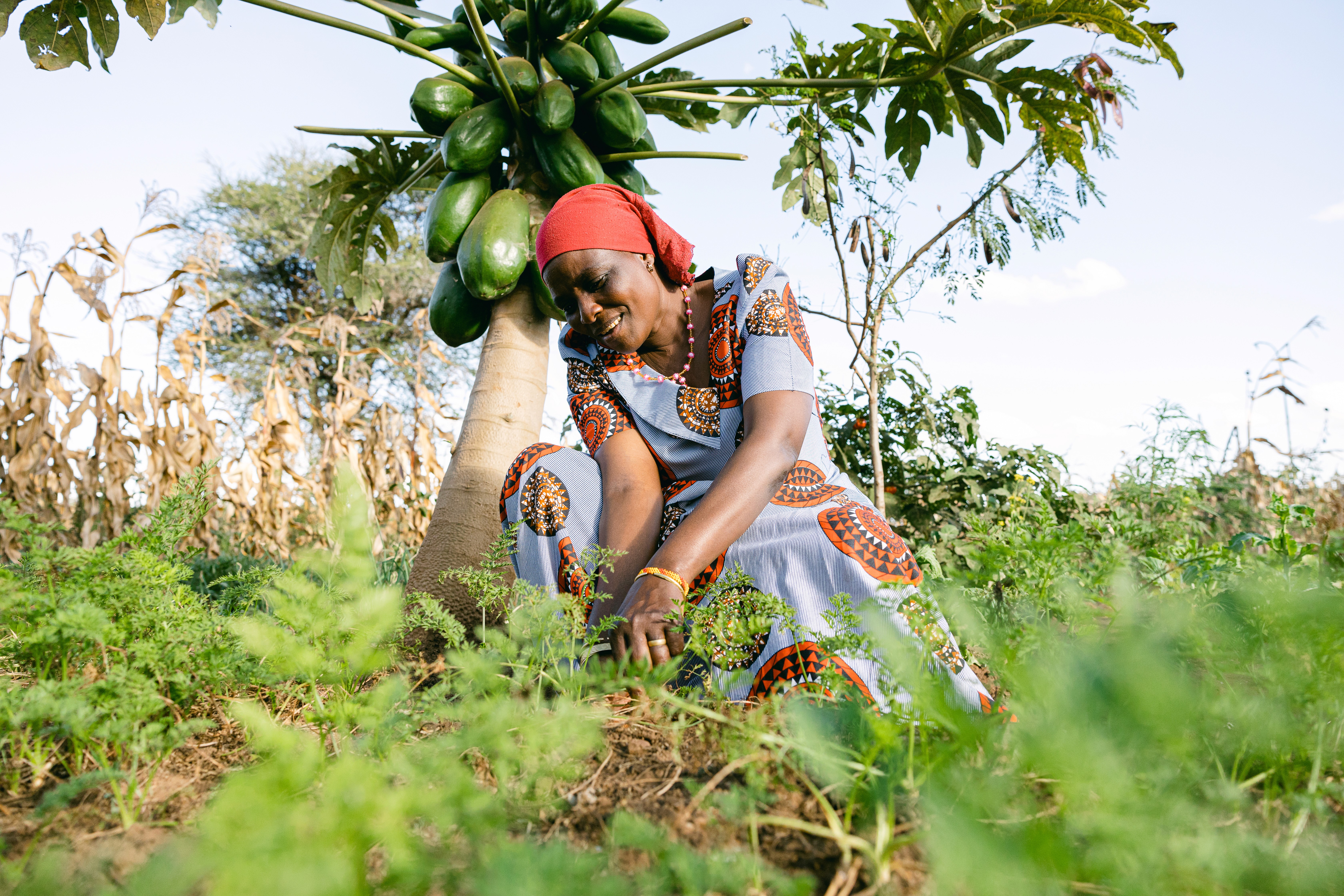
Farmers and teams adapt the model to their unique challenges and opportunities such as water shortages, age and gender dynamics, land scarcity, or conflict.

Mali
Trees Planted
1092
Forest garden farmers
108
Acres restored for that country
2400
Adaptations and Innovations
Adapting programs to conflict and water shortages with flexible approaches to farmer training and resource delivery
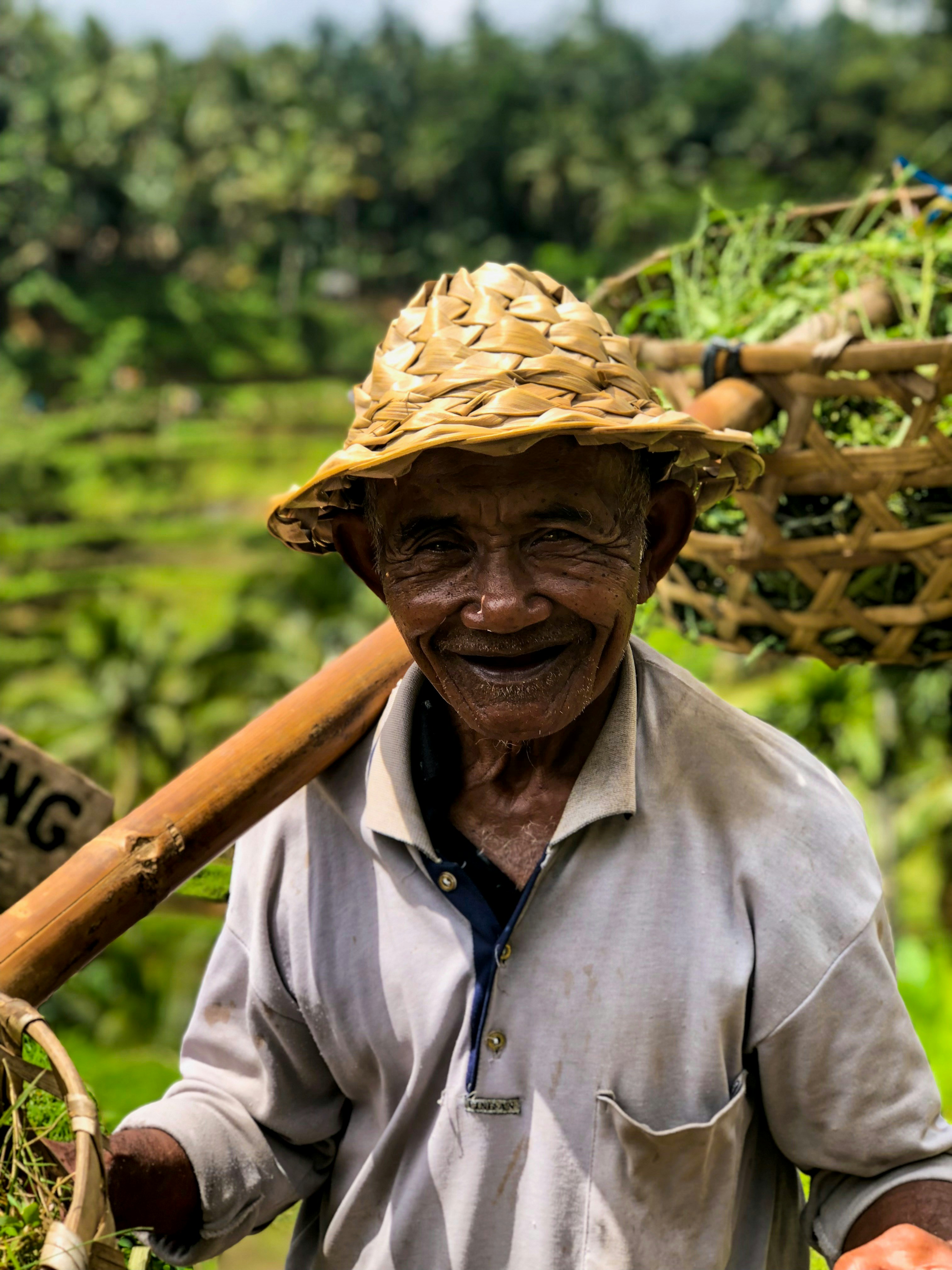
Thomas Thom
Farmer
Adapting programs to conflict and water shortages with flexible approaches to farmer training and resource delivery
Thomas Thom
Farmer
Adapting programs to conflict and water shortages with flexible approaches to farmer training and resource delivery
Looking Ahead: Roots to Rise
As we close 2025, we look ahead with clarity and purpose. Just as farmers adapt to shifting seasons, TREES is preparing to launch our 2026 Strategic Plan, a roadmap rooted in adaptability and designed to meet the challenges and opportunities of the years ahead.
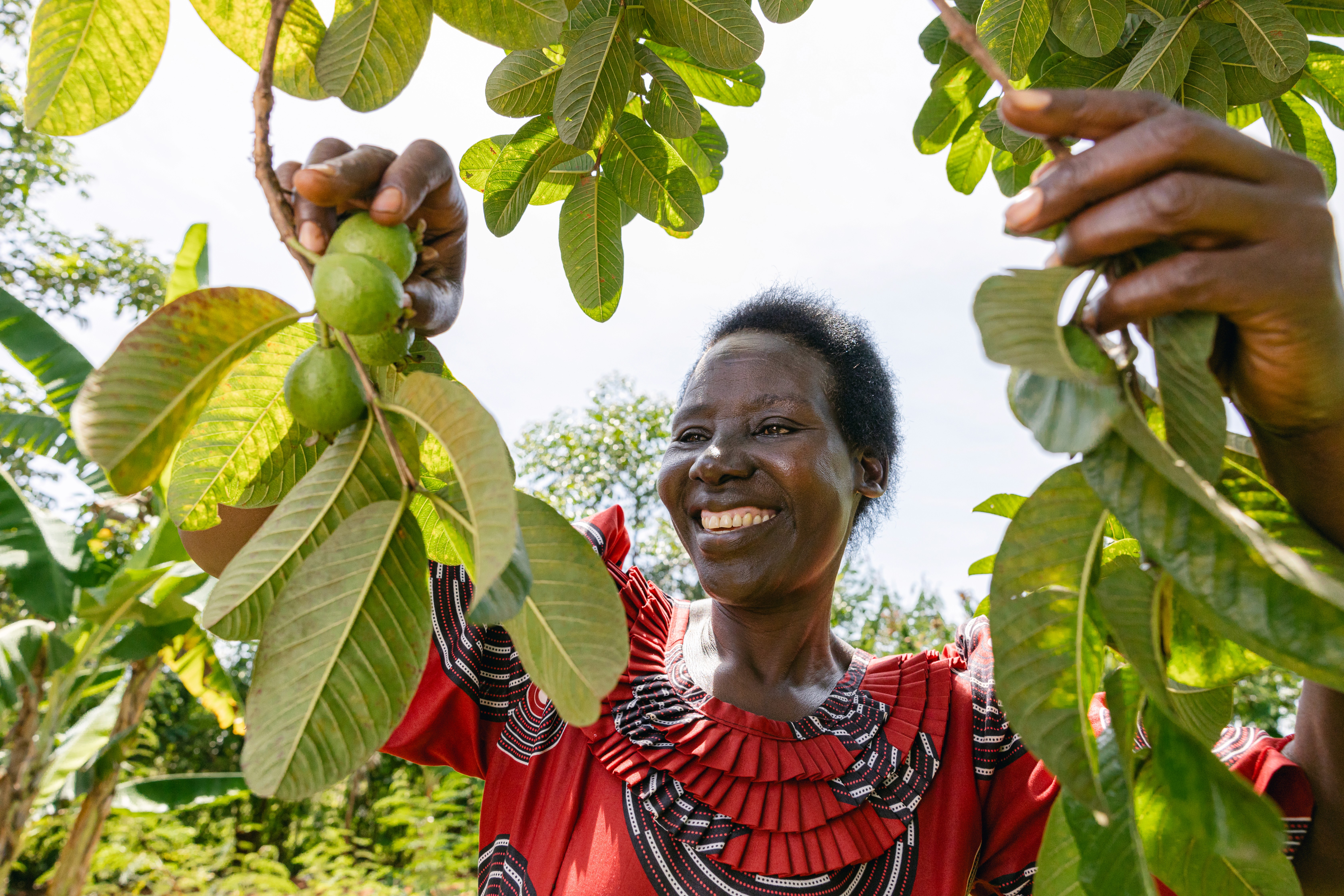
Our vision is ambitious and diverse, reflecting the farmer-led solutions at the heart of our work. Each goal builds on decades of experience while pushing us toward bold new milestones that strengthen food security, restore ecosystems, and expand economic opportunity.
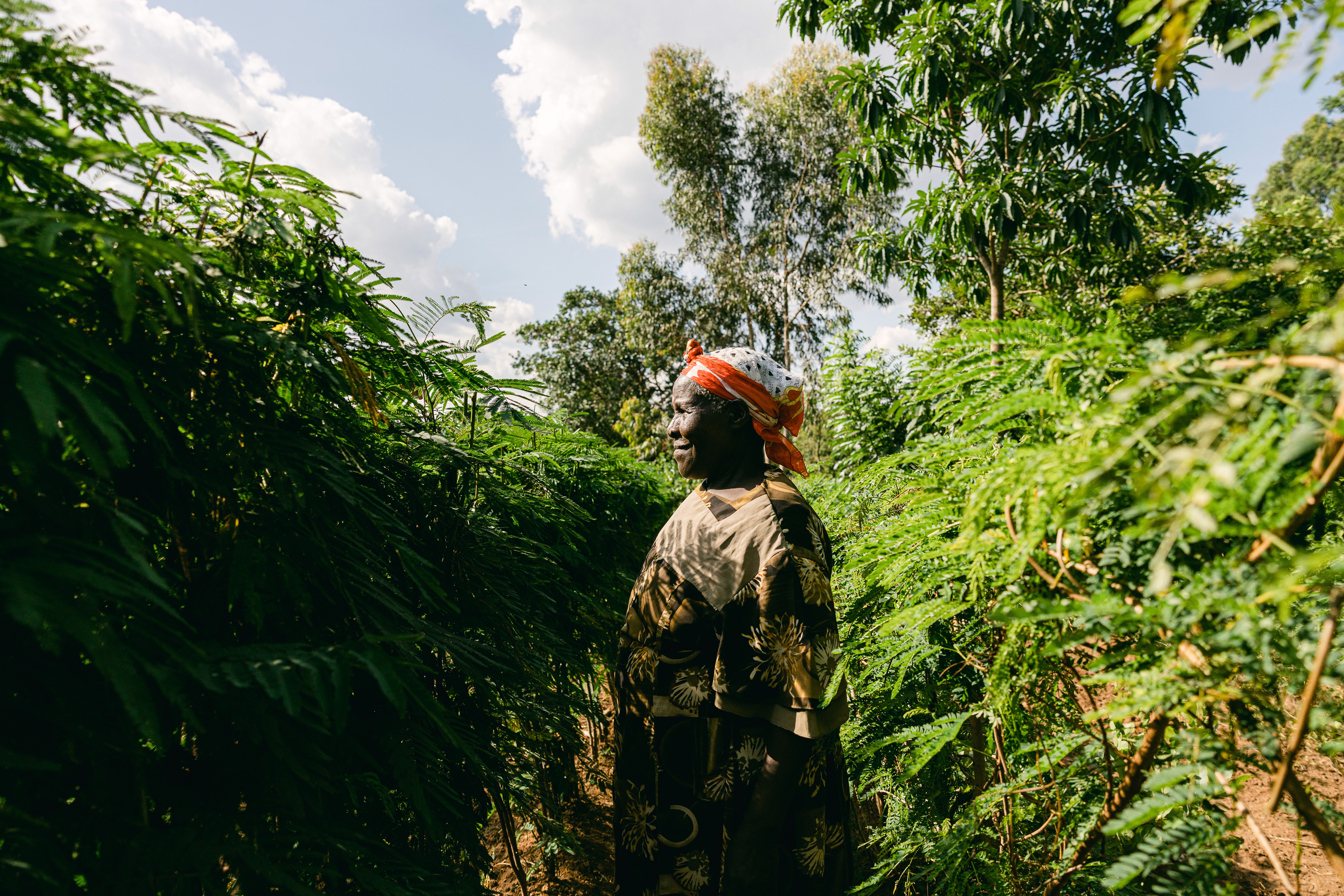
Farmers remain our greatest teachers and leaders. Their resilience proves that lasting change grows from the ground up. As we step into this next chapter, TREES will continue to adapt, diversify, and grow alongside them, building a future where people and the planet can thrive for generations to come.Farmers are proving that resilience grows from the ground up - and with your partnership, we’re ready to rise even higher.
The Root of It
Diversity of Allies
Just as farmers build resilience through diverse crops and trees, we build resilience through diverse partnerships and perspectives. Philanthropic gifts, corporate investments, and catalytic grants doing their part means a better future for us all.
“During my studies, I learned about the many benefits trees bring to the environment and to communities. I want to support this essential work for present and future generations.”
Joanna K
Major Donor since 2024

“Ecologi exists to help drive impact, and through sponsoring Trees for the Future’s projects in Uganda and Tanzania, we’ve witnessed just how impactful their projects can be. We are glad to support such important work, which delivers benefits for the climate and biodiversity as well as meaningful improvements to livelihoods.”

Dimitri Theocharis
CEO, Ecologi
“I support Trees for the Future because it is a really positive and science-based way to invest in a better future—shade, food, homes for birds and animals, erosion reduction, wood, beauty. So worthwhile!”
Lisa R.
Monthly Donor since 2018
“With our support, TREES has developed and rolled out a change management plan based on farmer and staff insights, which identified the sustainability of the Forest Garden Approach as a key priority. To that end, further work has focused on training and data collection enhancements, the building of sustainable seed systems, and a market access roadmap that will ensure farmer success beyond the initial four-year training.”

The Montpelier Foundation